
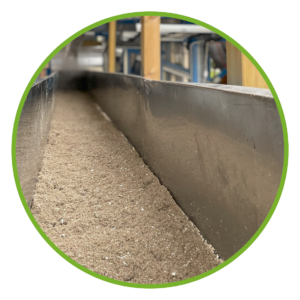
Fishmeal is an energy-intensive product, and the final drying step is one of the main reasons why. But what if fishmeal producers could cut that energy use in half while keeping protein quality intact?
Results from an FHF-funded research project led by Pelagia indicate that they can. The project evaluated vacuum drying and superheated steam drying as alternatives to conventional hot-air final drying. Hot-air drying has long been the standard in fishmeal plants. Swedish Exergy took part together with Nofima and Fjell Technology Group. We supplied the superheated steam dryer for the trials, our ExergyPSSD®.
A closer look at the trials
The trials indicate that the dried fishmeal largely retains its protein quality, while energy demand falls significantly. The key lies in energy recovery. The process captures surplus steam from drying and reuses it elsewhere in production. Hot-air systems simply lose that energy. For fishmeal producers, that means lower energy bills and a fully electrified drying step, without compromising the product.
The researchers carried out the trials using blue whiting, herring and sprat. Calculations for a complete fishmeal production process point to a clear reduction. Energy consumption could fall from around 400 to 200–224 kWh per tonne of raw material.
What this means for fishmeal production at industrial scale
The potential at industrial scale is substantial. Take a Norwegian fishmeal factory processing 100,000 tonnes of raw material per year. The calculations point to around NOK 18 million in annual energy cost savings and 5,000 tonnes fewer CO₂ emissions. These figures represent calculated opportunities based on the project findings, not savings that producers have already achieved in full-scale operation.
Lower energy use in fishmeal production also benefits the wider seafood value chain. Farmed salmon and other farmed fish depend on fishmeal as a feed ingredient.
A solid basis for further development
We are pleased to have contributed our drying technology to this work, and to see the results provide a solid basis for further development of more energy-efficient fishmeal production. Read more about the project and access the full report on the FHF (Fiskeri- og havbruksnæringens forskningsfinansiering) project page.