
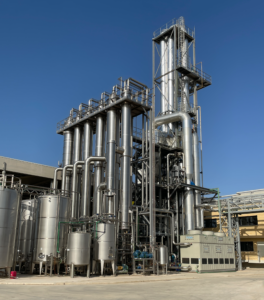
 Swedish Exergy AB and Atlas Copco Gas and Process have entered into a Memorandum of Understanding (MOU) that focuses on energy recovery, electrification and mechanical vapor recompression (MVR). By combining Swedish Exergy’s expertise in process and drying technology with Atlas Copco’s capabilities and experience in designing and manufacturing turbocompressors, the parties aim to help industrial customers reduce energy consumption, operating costs and greenhouse gas emissions. Together, they will reduce the carbon intensity of drying, one of the most energy-intensive stages of industrial production.
The MOU establishes a strategic framework for technical and commercial cooperation. It enables the parties to explore optimal solutions for decarbonizing industrial drying. They will also assess opportunities to improve dryer performance in specific projects and proposals. This is particularly relevant because drying is one of the most energy-intensive steps in production, where operators aim to reduce emissions while maintaining product quality, reliability and throughput.
Focusing on energy recovery and steam reuse
In particular, the collaboration aims to develop integrated solutions for sustainable industrial drying. These solutions place energy recovery and steam reuse at the centre. Swedish Exergy’s ExergyPSSD® is a pressurized superheated steam dryer othat operates in a closed steam loop. When properly integrated with surrounding processes, it can recover up to 95 percent of drying energy for reuse. Atlas Copco provides compressors for Mechanical Vapor Recompression as a way to upgrade low-pressures steam and elevate waste heat into higher value steam.
In many industrial processes, MVR technology can significantly reduce or eliminate fossil fuel use and related CO2 emissions.
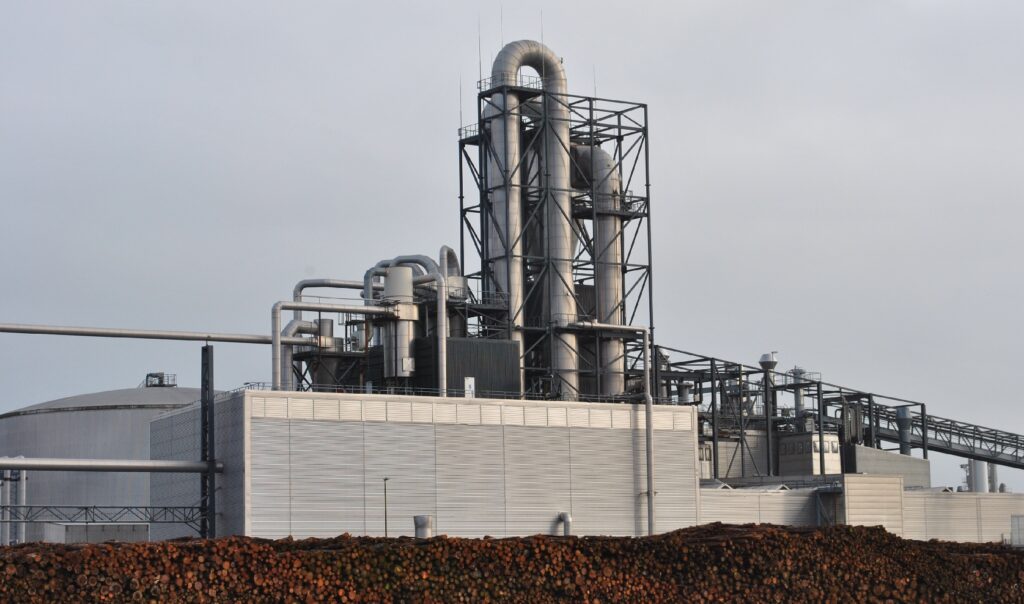
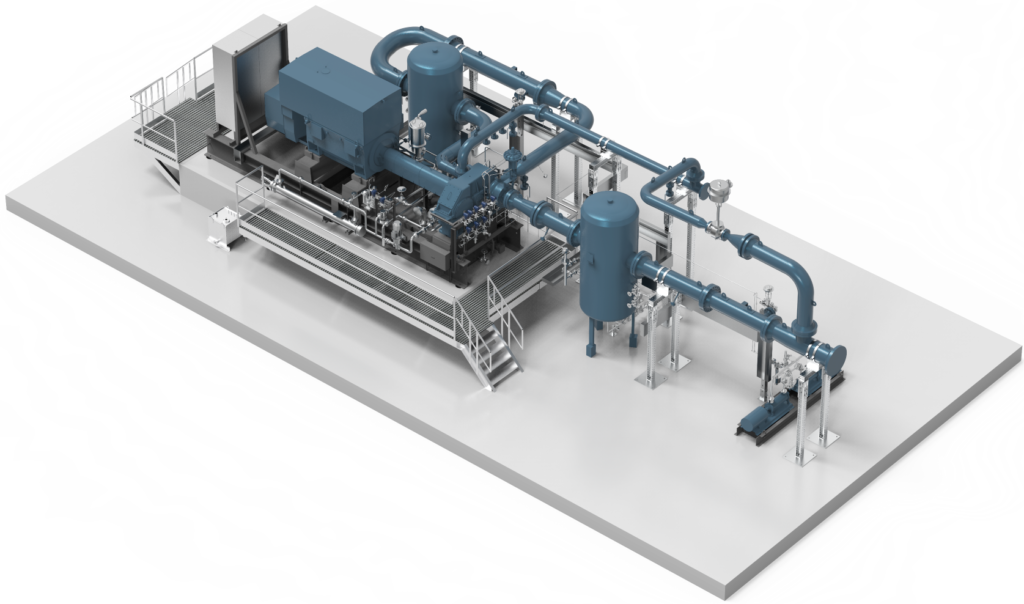
By integrating Swedish Exergy’s closed-loop superheated steam drying processes with Atlas Copco’s mechanical vapor recompression (MVR) solutions, customers can operate 100% electrified, energy-efficient drying systems. These systems capture and reuse recovered steam and waste heat within the process. This approach have the potential eliminate CO₂ emissions compared with conventional fossil-based drying methods. It also supports customers’ long-term sustainability and industrial-drying decarbonisation strategies.
“This collaboration strengthens our ability to offer the market complete sustainable industrial drying solutions centered on decarbonization, energy recovery, electrification and high process efficiency. Together with Atlas Copco Gas and Process, we can combine strong process expertise with advanced MVR technology to create clear customer value across multiple industries,” said Prem Verma, Managing Director at Swedish Exergy AB.
Atlas Copco sees the collaboration in the same light:
“By combining Atlas Copco´s experience in design and manufacturing of high-performance steam compressors with Swedish Exergy’s industrial drying technology, we can together build more integrated and competitive offerings for customers facing rising energy costs and stricter sustainability targets,” said Robert Radimeczky, President of Atlas Copco Gas and Process.
The two companies aim to work closely with customers from early-stage concept development and technical evaluation through to the design of tailored system solutions for decarbonizing industrial drying, improving both energy efficiency and long-term operating performance.
About Swedish Exergy AB
Swedish Exergy develops solutions for sustainable industrial drying and energy recovery. Its ExergyPSSD® technology is used for continuous drying of materials such as biomass, paper pulp, animal feed, sludge and other industrial by-products in a closed, pressurized steam system.
About Atlas Copco Gas and Process
Atlas Copco Gas and Process designs, builds and services centrifugal compressors, turboexpanders, as well oil-free gas screw compressors. Our equipment is used in natural gas, chemical/ petrochemical, power generation, industrial gases, marine, and applications supporting industrial decarbonization. This includes applications that require mechanical vapor recompression.